Critical Analysis of Criminal Law Approaches to Trafficking in Persons: A report of the consultation
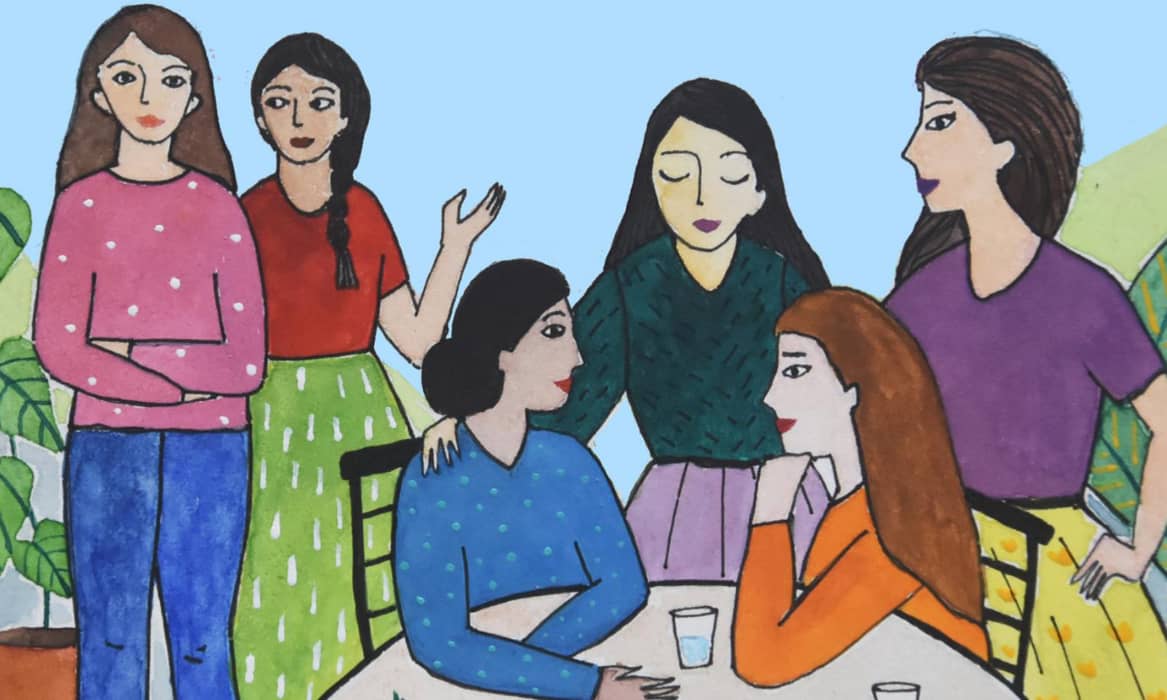
GAATW and our allies played a key role in lobbying for an internationally recognised definition of trafficking, yet from the outset we were wary of an exclusively crime control approach. Over the years, we have continued to note with frustration that although the criminal law framework is so invested in punishing the traffickers, the actual results of those efforts are not very encouraging.
Now twenty-five years after the UN Trafficking Protocol entered into force, it is an appropriate time for us to reflect in depth on the criminal law approach to trafficking. Whilst GAATW has long pointed out the negative impacts of this approach, we have not looked outside the criminal law or questioned what alternatives might exist.
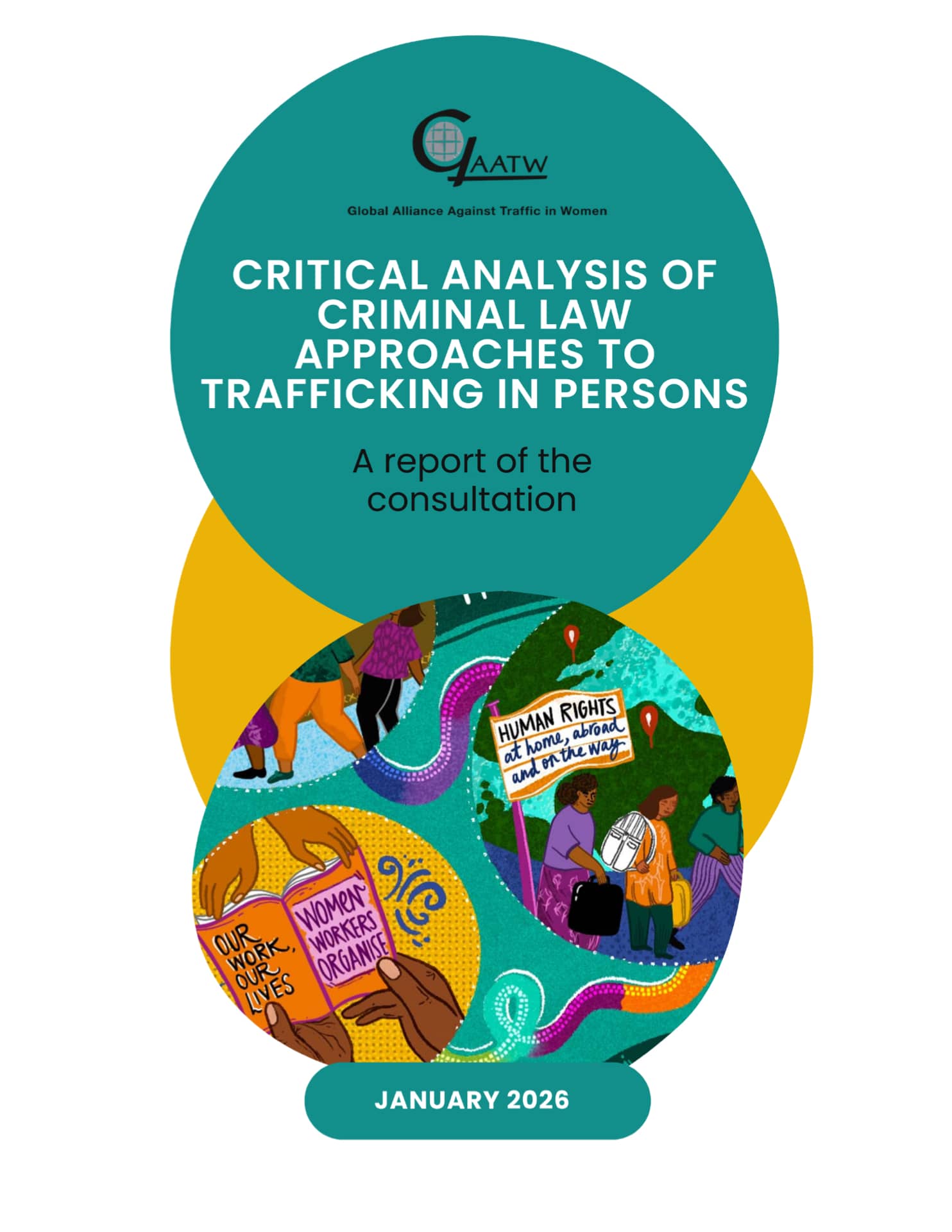
Critical Analysis of Criminal Law Approaches to Trafficking in Persons: A report of the consultation
GAATW and our allies played a key role in lobbying for an internationally recognised definition of trafficking, yet from the outset we were wary of an exclusively crime control approach. Over the years, we have continued to note with frustration that although the criminal law framework is so invested in punishing the traffickers, the actual results of those efforts are not very encouraging.
Now twenty-five years after the UN Trafficking Protocol entered into force, it is an appropriate time for us to reflect in depth on the criminal law approach to trafficking. Whilst GAATW has long pointed out the negative impacts of this approach, we have not looked outside the criminal law or questioned what alternatives might exist.
Crisis in Care: Migrant Workers and Ageing Societies in Japan and South Korea
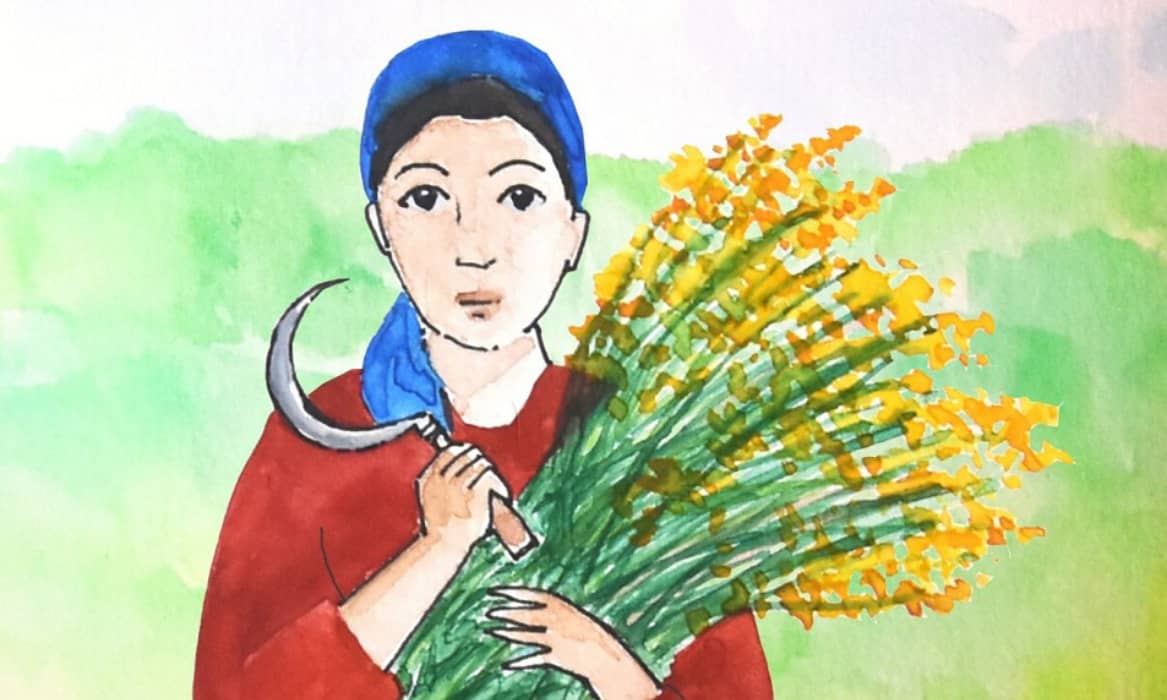
As more and more countries confront the challenges posed by ageing populations and evolving family structures, there is an increasing reliance on migrant workers to fill essential roles within the care sector. However, state programs often categorise this form of labour as low-skilled and temporary, providing limited labour protections and exacerbating the precariousness faced by migrant workers.
This working paper examines how care work is defined, structured, and governed in Japan and South Korea, and how these frameworks shape the experiences of migrant care workers. It unpacks the demographics driving the demand, the policies and pathways governing migrant labour for care work, and the difficult working conditions that result from the devaluation of care. It also emphasises the crucial role of civil society in offering support and broadening its advocacy for migrant rights.
Crisis in Care: Migrant Workers and Ageing Societies in Japan and South Korea
As more and more countries confront the challenges posed by ageing populations and evolving family structures, there is an increasing reliance on migrant workers to fill essential roles within the care sector. However, state programs often categorise this form of labour as low-skilled and temporary, providing limited labour protections and exacerbating the precariousness faced by migrant workers.
This working paper examines how care work is defined, structured, and governed in Japan and South Korea, and how these frameworks shape the experiences of migrant care workers. It unpacks the demographics driving the demand, the policies and pathways governing migrant labour for care work, and the difficult working conditions that result from the devaluation of care. It also emphasises the crucial role of civil society in offering support and broadening its advocacy for migrant rights.
GAATW Statement for the Conference of Parties of the UNFCCC (COP 30) on 10-21 November 2025
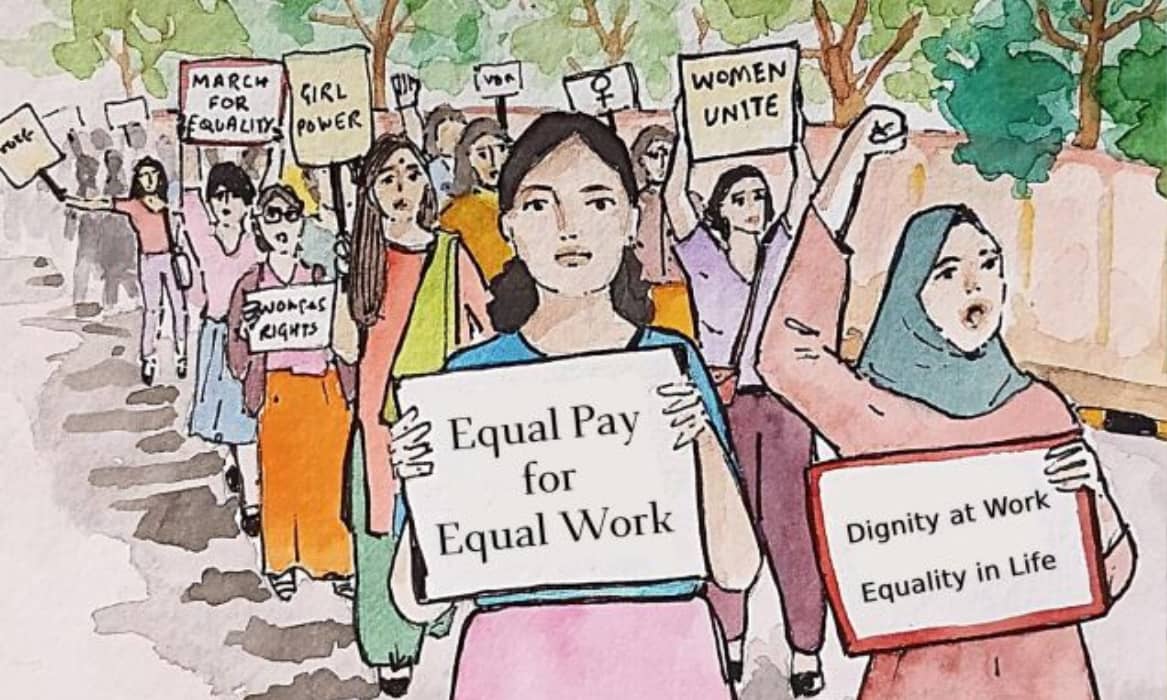
COP 30 comes at a time of increasing global injustices. Genocide, escalating and unmet humanitarian needs from conflict and climate change, and persistent economic inequality are among them. We also face serious challenges to multilateralism, and the willingness of Global North countries to take their fair share of climate responsibility. However, COP being held in Brazil this year creates a sense of hope that backsliding on climate ambition can be stopped and reversed. Turning words into action for migrants and displaced people affected by climate change is a critical component of achieving a meaningful outcome in Belém.

GAATW Statement for the Conference of Parties of the UNFCCC (COP 30) on 10-21 November 2025
COP 30 comes at a time of increasing global injustices. Genocide, escalating and unmet humanitarian needs from conflict and climate change, and persistent economic inequality are among them. We also face serious challenges to multilateralism, and the willingness of Global North countries to take their fair share of climate responsibility. However, COP being held in Brazil this year creates a sense of hope that backsliding on climate ambition can be stopped and reversed. Turning words into action for migrants and displaced people affected by climate change is a critical component of achieving a meaningful outcome in Belém.