From Punishment to Protection (of rights): A feminist analysis of trafficking for forced criminality in the ASEAN region
Trafficking for forced criminality has historically received less attention from international institutions, the media and the human rights sector. However, awareness of this form of trafficking is increasing globally. This briefing paper aims to support that growing recognition by examining how trafficking for forced criminality is occurring within the Association of South East Asian Nations (ASEAN) region.
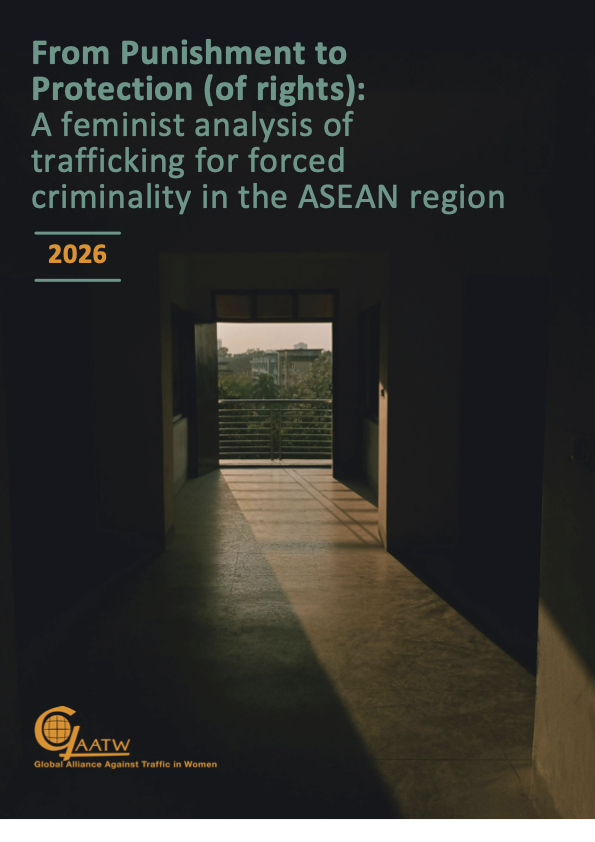
From Punishment to Protection (of rights): A feminist analysis of trafficking for forced criminality in the ASEAN region
Trafficking for forced criminality has historically received less attention from international institutions, the media and the human rights sector. However, awareness of this form of trafficking is increasing globally. This briefing paper aims to support that growing recognition by examining how trafficking for forced criminality is occurring within the Association of South East Asian Nations (ASEAN) region.
Trafficking for Forced Criminality in Europe: Protection Gaps in an Era of Restrictive Migration Policy
This report is published at a time when punitive approaches to migration, crime and border control are increasing across Europe. For years, victims of trafficking for forced criminality have been treated as offenders or ‘illegal immigrants’ rather than as rights holders who have experienced exploitation and coercion. Despite growing recognition of the scale and severity of trafficking for forced criminality across Europe, institutional responses continue to fail at effective prevention, identification and protection. Whilst some governments in the last decade have introduced specific laws designed to protect victims of trafficking from punishment for the crimes they were forced to commit, the majority of these laws fall short of international standards, or are inconsistently implemented.
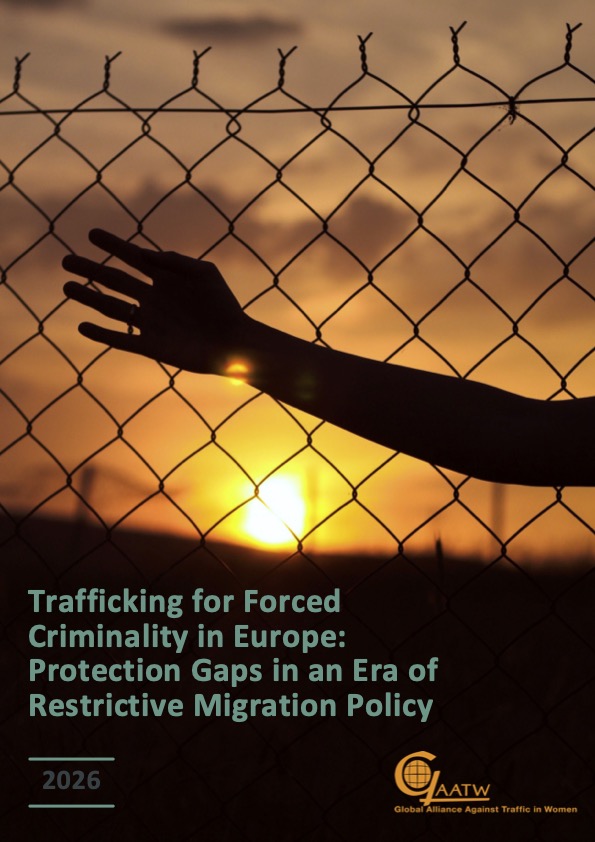
Trafficking for Forced Criminality in Europe: Protection Gaps in an Era of Restrictive Migration Policy
This report is published at a time when punitive approaches to migration, crime and border control are increasing across Europe. For years, victims of trafficking for forced criminality have been treated as offenders or ‘illegal immigrants’ rather than as rights holders who have experienced exploitation and coercion. Despite growing recognition of the scale and severity of trafficking for forced criminality across Europe, institutional responses continue to fail at effective prevention, identification and protection. Whilst some governments in the last decade have introduced specific laws designed to protect victims of trafficking from punishment for the crimes they were forced to commit, the majority of these laws fall short of international standards, or are inconsistently implemented.
GAATW and Partners Convene Regional Strategy Meeting on Trafficking for Forced Criminality in ASEAN
On 24 April 2026, GAATW, in collaboration with Hayat Life and with support from ASEAN–Australia Counter Trafficking Programme (ASEAN-ACT), convened an online regional strategy meeting on Trafficking for Forced Criminality: Drug Couriering in the ASEAN Region.
The meeting brought together government representatives from ASEAN Member States, anti-trafficking experts, law enforcement and civil society organisations to examine emerging forms of trafficking for forced criminality and identify collective strategies to strengthen protections for victims across the region.
GAATW and Partners Convene Regional Strategy Meeting on Trafficking for Forced Criminality in ASEAN
On 24 April 2026, GAATW, in collaboration with Hayat Life and with support from ASEAN–Australia Counter Trafficking Programme (ASEAN-ACT), convened an online regional strategy meeting on Trafficking for Forced Criminality: Drug Couriering in the ASEAN Region.
The meeting brought together government representatives from ASEAN Member States, anti-trafficking experts, law enforcement and civil society organisations to examine emerging forms of trafficking for forced criminality and identify collective strategies to strengthen protections for victims across the region.