
In August, Zack Fletch, Intern at GAATW, and Vivian Cartagena, Programme Officer for Alliance Strengthening at GAATW, interviewed Stephanie Chok, Executive Director of HOME (Humanitarian Organization for Migration Economics) in Singapore, to learn more about its history and its work alongside migrant workers. Stephanie shared how HOME has grown from a shelter for migrant domestic workers into a wider community of support, with migrant workers themselves playing a central role through peer support, skills-sharing, community activities and advocacy. The conversation also explored HOME’s work addressing the structural barriers migrant workers face in upholding their rights.
Zack: Thank you so much Stephanie for taking the time to meet with us today, we really appreciate it. And welcome to the GAATW membership! We’d love to begin by hearing a bit about how and why HOME was founded. What was the context behind its creation?
Stephanie: Thank you Zack. So, HOME turns 22 this year, our anniversary is September 4th. HOME was set up because, at the time, there was no shelter for migrant domestic workers (MDWs) in Singapore. Our founder, Bridget Tan, set up the country's first shelter for domestic workers and we are an independent shelter, outside of any embassy or government ministry.
Singapore is highly dependent on migrant workers, and there are around 1.2 million low-wage temporary migrant workers on Work Permits as of June 2026; of that, around 323,800 are migrant domestic workers. Because domestic workers in Singapore are required to live-in with their employers, any breakdown in that relationship can leave them with nowhere to stay the moment when the employment relationship sours.
While HOME started out running a shelter for MDWs, our services have expanded significantly since then. The shelter is still a key part of our work, but its scope has broadened too as it no longer houses only migrant domestic workers, although they still make up around 90% of the women we shelter. Last year, we started seeing more women from Myanmar working outside the domestic work sector (e.g. in the services sector) who also had issues with housing while their cases were ongoing, so we began housing these women as well. Last year, for example, 20 of the 500 women we housed were not domestic workers.
We also run several helpdesks and helplines. We have two helplines: one for domestic workers, and one for migrant workers outside the domestic work sector. They're split that way because the two groups have different legal protections in Singapore. Domestic workers are excluded from the Employment Act as well as the Work Injury Compensation Act, whereas migrant workers in other sectors are covered by it. That affects their access to remedy and whether they can file a salary claim at the Employment Claims Tribunal, or an injury claim.
We also run helpdesks that provide casework, legal support, and financial assistance to migrant workers, again split the same way. Our non-domestic casework helpdesk, which we call the Migrant Worker Helpdesk, supports workers across all sectors, e.g., construction, marine, shipyards, service, and manufacturing. In a year, we see around 1,000 workers there, both male and female.
The casework helpdesk for domestic workers is housed within our shelter, where we house around 500 women a year. The top issues reported consistently over the years include verbal abuse and excessive working hours. Again, because domestic workers fall outside the Employment Act, there are no restrictions on how many hours they can be made to work. We also see food-related issues, including food deprivation and inadequate food, illegal deployment, salary issues, and rest day issues. A lot of women also have their passports and work documents confiscated. Some face restrictions on phone use within the home, exacerbating their isolation and surveillance, as well as threats and intimidation.
Our non-domestic worker, or Migrant Worker Helpdesk, sees over 1,000 workers a year. Most cases involve some form of wage theft, i.e., salaries that are unpaid or underpaid, overtime that isn't paid or isn't paid at the correct rate, or wages that are delayed or withheld. Work-injury cases are another key issue as workers may be injured on the job, but the injury goes unreported, or they face obstacles accessing adequate healthcare. We're also increasingly seeing deceptive recruitment cases, and the deception can happen on multiple levels: over the actual job, the nature of the work, the salary, or the working conditions.
That's the casework side. We also run helplines, which exist to direct people to the right helpdesk or get initial advice. On Sundays, we also run Sunday helpdesks led by migrant domestic workers themselves, offering peer support and advice to fellow domestic workers. That one only runs on Sundays, since that's the only rest day most domestic workers get. We train the volunteers, and they staff the physical helpdesk for a couple of hours each Sunday. If a case needs to be escalated, or shelter is required, they refer it to our staff.
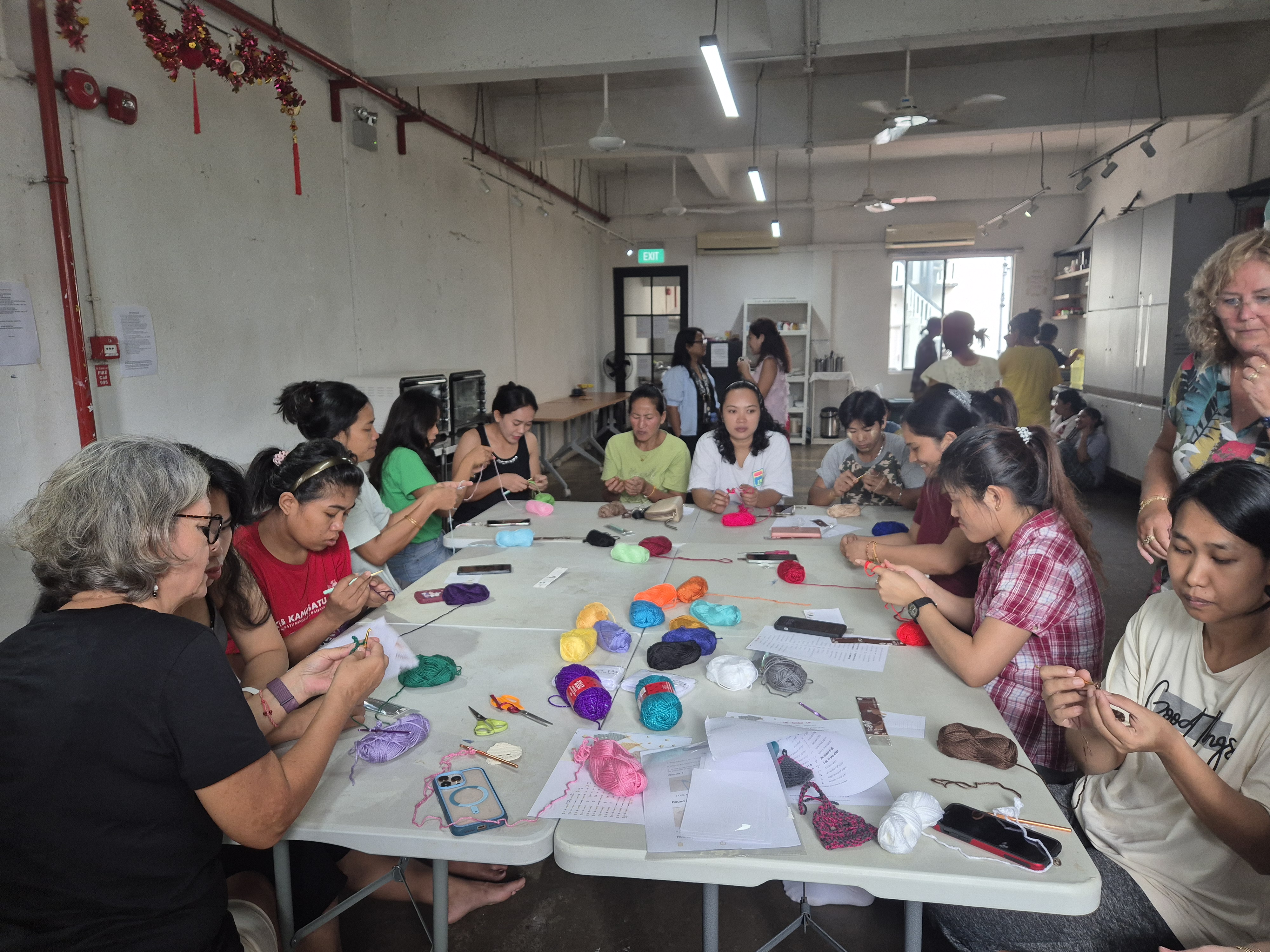
We also run HOME Academy, which provides subsidised skills training to migrant domestic workers. Everything from caregiving and healthcare to cooking, baking, English, computer skills, hairdressing, dressmaking, and even guitar lessons. These classes are taught by fellow domestic workers as well. We're very committed to a peer-driven model where women who are trained or experienced are the ones running the classes. We rent the premises, organise the classes and do the admin, but the teaching is done by domestic workers. We sometimes partner with outside contributors for specific sessions, like a guest chef for a cooking class, or a stakeholder coming in to lead a session on caregiving or healthcare.
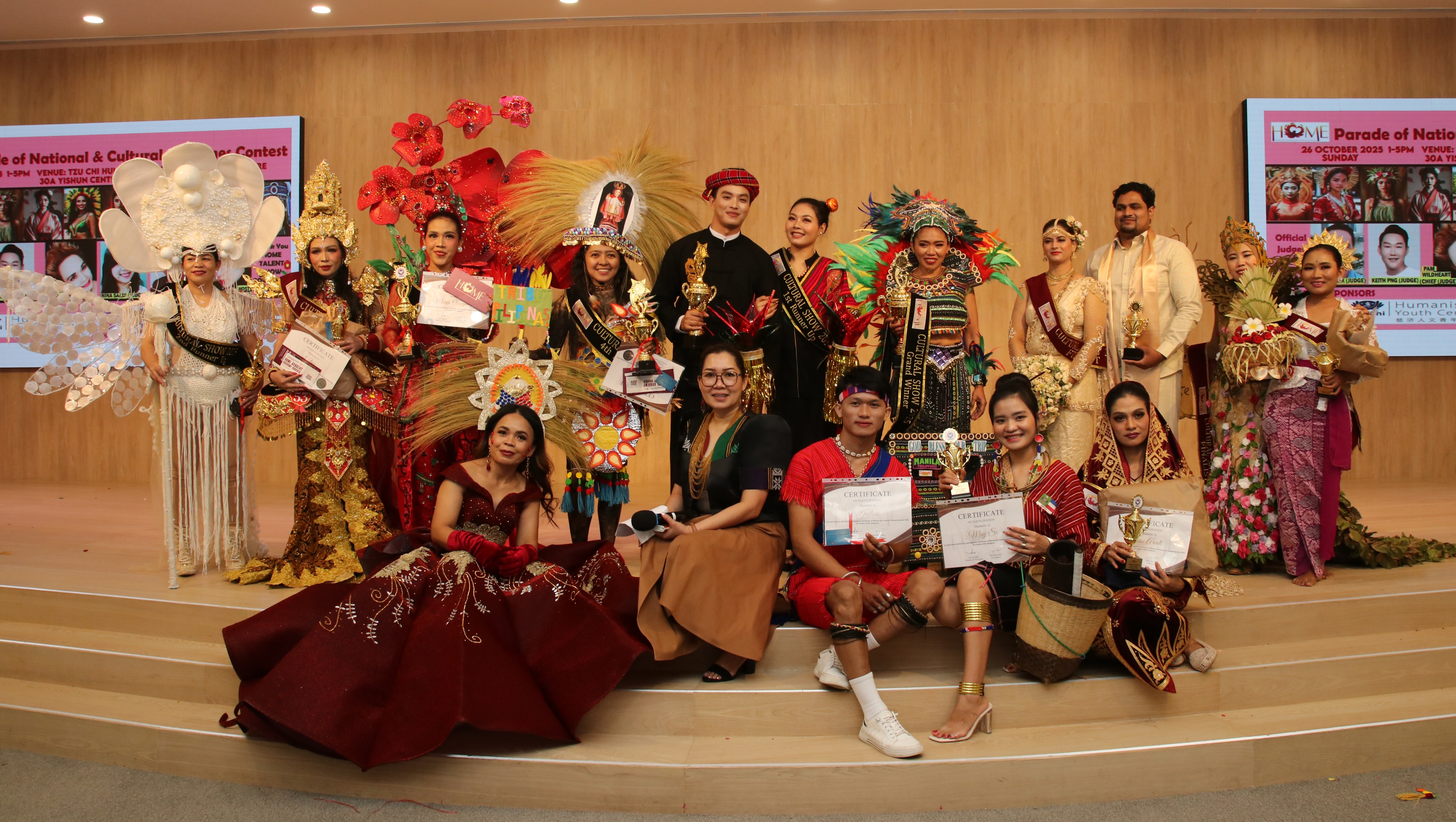
Separately, we also have our community-building arm called HOME Family, where domestic worker volunteers organise a range of events on Sundays. Our members include Indonesian, Filipino, and Burmese migrant domestic workers, and many of them form interest groups within the broader HOME Family. Those interested in sports might organise volleyball competitions; those interested in health might organise health-related workshops, and we help connect them with partners such as doctors or nurses, for example, to run those sessions with the group. There’s always something happening, every Sunday there’s an event. We hold an annual HOME Talent Show, we also now have the National Costume and Cultural Show, and for the last few years we’ve held a “Trashion Show”, organised by a Filipino community group, where migrant workers create costumes out of recycled materials, everything from coffee capsules to trash bags. The results are pretty incredible, and we will have our fourth Trashion Show this Nov 2026. HOME Family is a major part of our work.
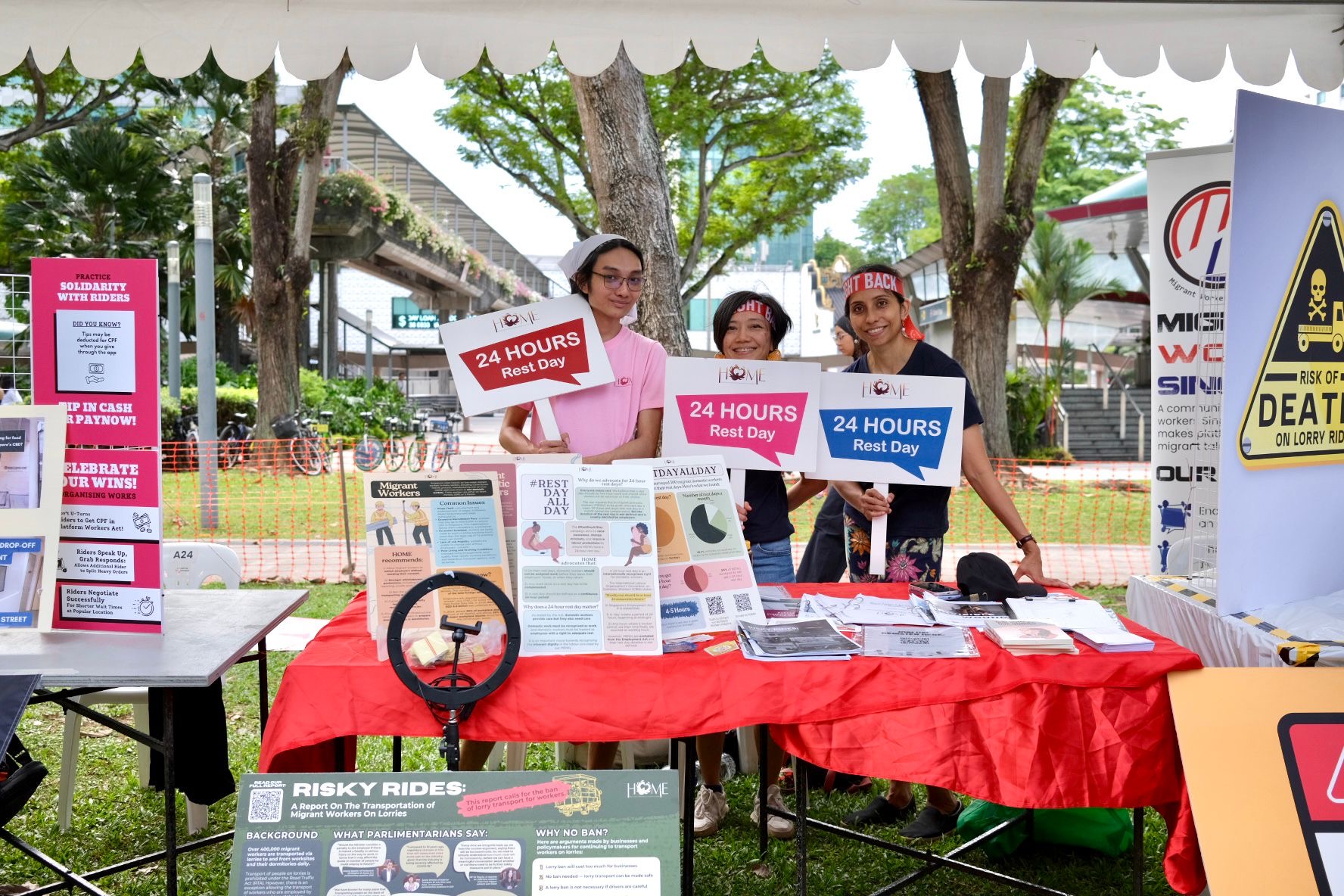
Last but not least, we do research and advocacy. We publish a number of research reports and regularly make submissions, for example to CEDAW, and we try to publish a research report every year or two, alongside shadow reports and other submissions to the UN.
Vivian: Thank you so much, Stephanie. It's been really clarifying to hear about all the areas you work in. I’m curious about the two helplines that you’ve mentioned. One is specifically for domestic workers because they're excluded from the Employment Act, is that correct?
Stephanie: Yes, that is correct.
Vivian: And why is that? Is it that domestic work isn't recognised as "work" in the same way? What's the reasoning behind protecting some sectors but not domestic work?
Stephanie: Unfortunately, that’s the legislative framework in Singapore. There are two groups excluded from the Employment Act: domestic workers and seafarers. The government’s policy position seems to be that domestic work is hard to regulate because it takes place inside the household.
At the same time, it’s a highly regulated workforce. It's not like other countries in South or Southeast Asia, like India or Thailand, where you have a lot of informal household workers migrating internally to do domestic work. In Singapore, everyone comes in through a formal, regulated work pass regime, i.e. every worker has a work permit, and employers have to purchase a security bond.
The inclusion of domestic workers in the Employment Act is something we've been campaigning on for a very long time, but the government hasn't budged.
Vivian: If I understand correctly, is this somewhat similar to the kafala system for domestic workers?
Stephanie: Yes, the employer-tied system, similar to kafala, applies to both domestic and non-domestic workers under work permits. It’s the lowest tier of work pass we have. But for domestic workers, on top of being hired on employer-tied work permits, they’re also excluded from the Employment Act. Construction workers, for example, are still tied to their employer, but they remain covered under the Employment Act so they get overtime, rest day pay, public holiday pay, notice periods, and annual leave, and they’re covered under the Work Injury Compensation Act. Domestic workers are excluded from that as well.
Vivian: And is including domestic work under the Employment Act part of HOME's advocacy efforts?
Stephanie: Yes, we’ve copy-pasted that recommendation into almost every document we’ve produced related to domestic workers for years!
Vivian: And my last question before giving the floor back to Zack is, how do these workers reach Singapore? Because you mentioned that some come by deceptive recruitment, but also do they come through networks or is it mostly seen through recruitment agencies? How do they reach Singapore?
Stephanie: A lot of migrant workers rely on intermediaries or agents; there’s no government-to-government programme like in, say, Korea. Some are more formalised and regulated than others. For the Philippines, for example, where there’s a more mature recruitment channel, and the Philippines embassy takes a more interventionist approach to regulating the employment agencies that place Filipino domestic workers in Singapore, and they’ll impose a minimum wage and standard contracts. Although I must say, whatever the embassy mandates isn’t necessarily enforceable in Singapore by Singaporean authorities.
But generally, yes, they all come through recruitment agents; some are formal and regulated, many are not. So when a migrant worker says “I came through an agent,” some of them could just mean a person (or persons) they handed money to and refer to as an “agent’’, who may not necessarily be a licensed one. And almost all migrant workers arrive indebted because of the fees they pay, but the forms of indebtedness differ. For domestic workers, the money is deducted from their salary over a certain period; for non-domestic workers, they usually have to pay a large sum upfront before they arrive in the country.
If you're a more experienced domestic worker, maybe you've worked in Singapore multiple times, then you could possibly make an arrangement with a prospective employer to be a direct hire. But often, and especially if it is their first time coming to Singapore, they'd have to come through some kind of agency.
There are also ways that employers and agents manipulate the work pass regime to get people in on one pass or another that doesn't fully match the actual purpose of the pass. We're seeing a lot more of that now too, because the more restrictions imposed by the government, the more agents and employers try to circumvent them. This creates complications when such workers seek remedy for employment-related abuses, as the workers themselves may be penalised for agreeing to come in on a pass that doesn't match what they're actually supposed to be doing.
Zack: I was wondering, given the precarious nature of how a lot of migrant workers seem to arrive in Singapore, are any, or many, of the people you support in the shelter previous victims of trafficking? Is that an element you see at all?
Stephanie: It's not just in our women’s shelter or just domestic workers; even among other sectors, the service sector for example, we regularly encounter migrant workers, both male and female, whom we identify as victims of forced labour and/or trafficking. We've filed several trafficking referrals in the last year, but the reason we don't file more isn’t because we don't believe they're victims of trafficking. It's because the process, as it currently exists, potentially criminalises these migrant workers.
Zack: Are there particular ways you support trafficking victims differently when you're not going through the formal referral channels?
Stephanie: There is no differentiation between the services we provide to trafficking victims, that depend on whether or not we do a formal trafficking referral. Of course, with the referral there may be additional casework assistance in following up with the trafficking taskforce. But other than that, in terms of shelter, casework, legal or financial assistance, these services are available to all migrant workers who seek help from HOME and any assessment on need does not hinge on whether or not a formal referral has been made.
Zack: Right, yes thank you. I am also curious on what is the process for inclusion of migrants in the helpdesks? It sounds like a really wonderful opportunity. Is it volunteer based or is it a work position?
Stephanie: We have a very small team, staff-wise and are very volunteer dependent for our casework helpdesks. Our Domestic Worker and Migrant Worker Helpdesks are manned by both staff and volunteers. Our Sunday helpdesks for domestic workers are entirely volunteer-run, namely, domestic workers who spend their Sunday supporting their peers who come to the helpdesk for advice and support. These volunteers work closely with a staff member who provides them with training and support. If someone comes to the helpdesk and the volunteer is unsure what advice to give, they'll call a staff member for guidance. Once the volunteers have done it long enough, they generally know how to advise their fellow domestic workers, and it helps that they speak the same language. We have a Filipino helpdesk, an Indonesian helpdesk, and a Burmese helpdesk, each staffed by domestic workers of that nationality to provide support.
Zack: Very interesting, thank you for explaining that. Within the current context, what are some of the main dynamics or challenges you're facing in your work? What are the biggest barriers or difficulties you're up against right now?
Stephanie: A lot of the issues are structural. It comes down to how the work pass system is set up for temporary migrant workers, i.e. the employer-tied system, and the lack of labour mobility. Under an employer-tied system, the risk of repatriation or job loss makes many migrant workers compliant with highly exploitative conditions, on top of the recruitment fees they've already paid. A construction worker might pay up to S$10,000-$15,000 for a job that pays maybe S$500 to S$600 dollars a month, so they're effectively indebted for years' trying to repay this debt.
This combination of a large recruitment debt and the employer-tied system creates very coercive conditions, where workers often feel they have no choice but to accept highly exploitative working conditions. It also means access to remedy is quite difficult for many of them. If problems arise in the work situation, not all of them are able to get a transfer.
We are also seeing more workers who are victims of deceptive recruitment, a number of whom should be recognised as victims of trafficking.
Vivian: I have a question about that, Stephanie. I'm wondering if you've seen a rise in women migrants coming to Singapore, whether for domestic work specifically or across other sectors? You mentioned you're now seeing more Burmese migrant workers, have you noticed any significant shift over the last years?
Stephanie: Unfortunately, our government doesn't release more granular breakdowns of the foreign workforce. Officially, we know the total number of domestic workers, which has increased year on year, but they don't give us nationality breakdowns. In terms of gender, almost all domestic workers are women; we've only seen one male domestic worker in the last couple of years, and he was from Myanmar, but the population is primarily women. For other sectors, like Work Permit or S Pass holders, they don't provide gender-based breakdowns either. So we don't even know how many workers in construction, marine, manufacturing, and service sectors are women, or how many are from Myanmar, Bangladesh, or India, we can only guess.
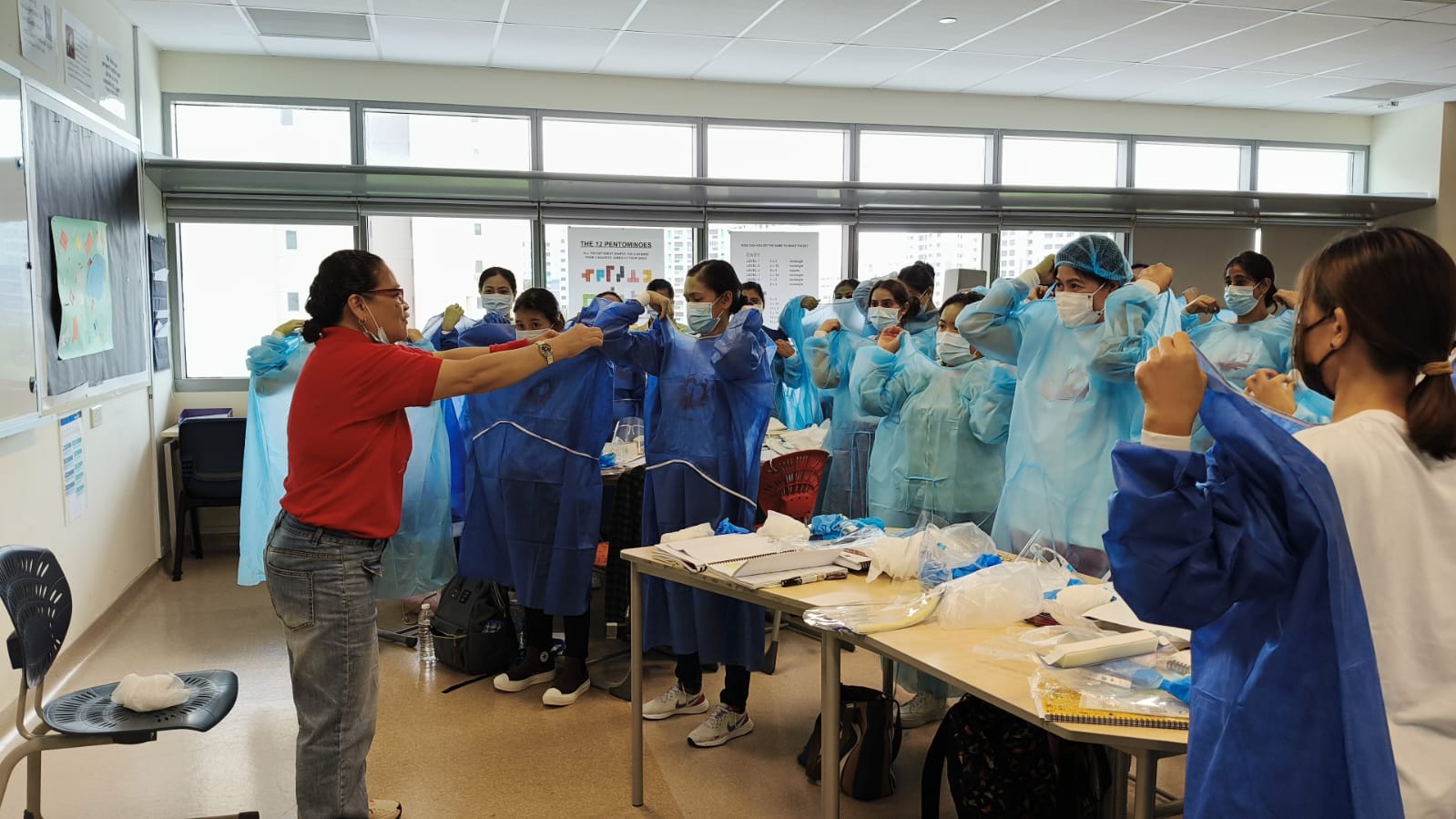
We mostly know what we know from our own casework experience, and the demographic of our shelter population has changed a lot. In 2017, when I was doing casework at the shelter, the population was predominantly Filipino, followed by Indonesians, or sometimes the reverse. But this past year, there were times when the Burmese population in our shelter outnumbered every other group. That's a clear indication to us that the Burmese population has really grown. At our Migrant Worker helpdesk too, we're seeing the number of Burmese workers rise considerably and we're seeing more women, though again, we don't have confirmed numbers on a national level, since the state doesn't give us that breakdown.
Vivian: Yeah that’s what I meant, like actually on the work that you do. Because sometimes like you said, either they don’t have the data or they just don’t want to release the data.
Stephanie: They definitely have it because we have a highly regulated foreign workforce.
Zack: So, diving a little deeper on your membership with GAATW, as a new member, what are some of your expectations or hopes for how being part of GAATW will strengthen the work HOME is doing?
Stephanie: As a lot of the migrants we see come from the region, I think it would mainly be about making connections with more NGOs, especially grassroots NGOs, from countries of origin like Myanmar, as well as transit countries like Thailand and Vietnam. A lot of the Myanmar migrant workers we see don't want to go back to Myanmar, so there's a real vulnerability there, they're very fearful of repatriation. So once their time here is up, many of them end up going to Thailand, although that's getting harder now, so more are heading to Vietnam, and some to Malaysia if they can get a visa.
So I think it would help to connect with other countries where there might be NGOs we could do referrals with, or work together with in some way. We know of Myanmar migrants who've been scammed by agents based in Thailand, for example, but we don't really know what we can do about that. Or if someone has to be repatriated from Singapore and ends up in Vietnam, how do we make sure they're safe, and that they don't get scammed again trying to come back to Singapore. I'm not sure how much pre-departure work can realistically be done, or how effective it would be, but I think mainly it's about understanding and getting to know other groups in the region, so we can share information and see if there are ways to tackle some of these issues collaboratively, e.g. issues like deceptive recruitment or following up when someone leaves Singapore in a situation that makes them particularly vulnerable to being further deceived and trafficked.
Vivian: Just a small follow-up, since I was thinking about networks in Singapore, are there any migrant organisation networks or anti-trafficking networks that exist and, if so, are you a part of them? And how do these referral cases work, is it only to the authorities, or are there other channels too?
Stephanie: There are other groups that assist migrant workers, TWC2 is also currently a member of GAATW, I believe, and they do casework and advocacy as well. Our referrals tend to be quite specific to the service needed. For example, HealthServe was set up to provide healthcare to migrant workers, so if we know of a worker who needs to see a doctor or some kind of healthcare, we might refer them there. We also know of another NGO that provides shelter to men, since we don't run a men's shelter ourselves.
Zack: Right, that makes sense. Well, thank you so much for the wonderful conversation, Stephanie, we really appreciate you joining us. I don't think either of us have any more questions, is there anything else you'd like to add, about the work you do now or hope to do in the future?
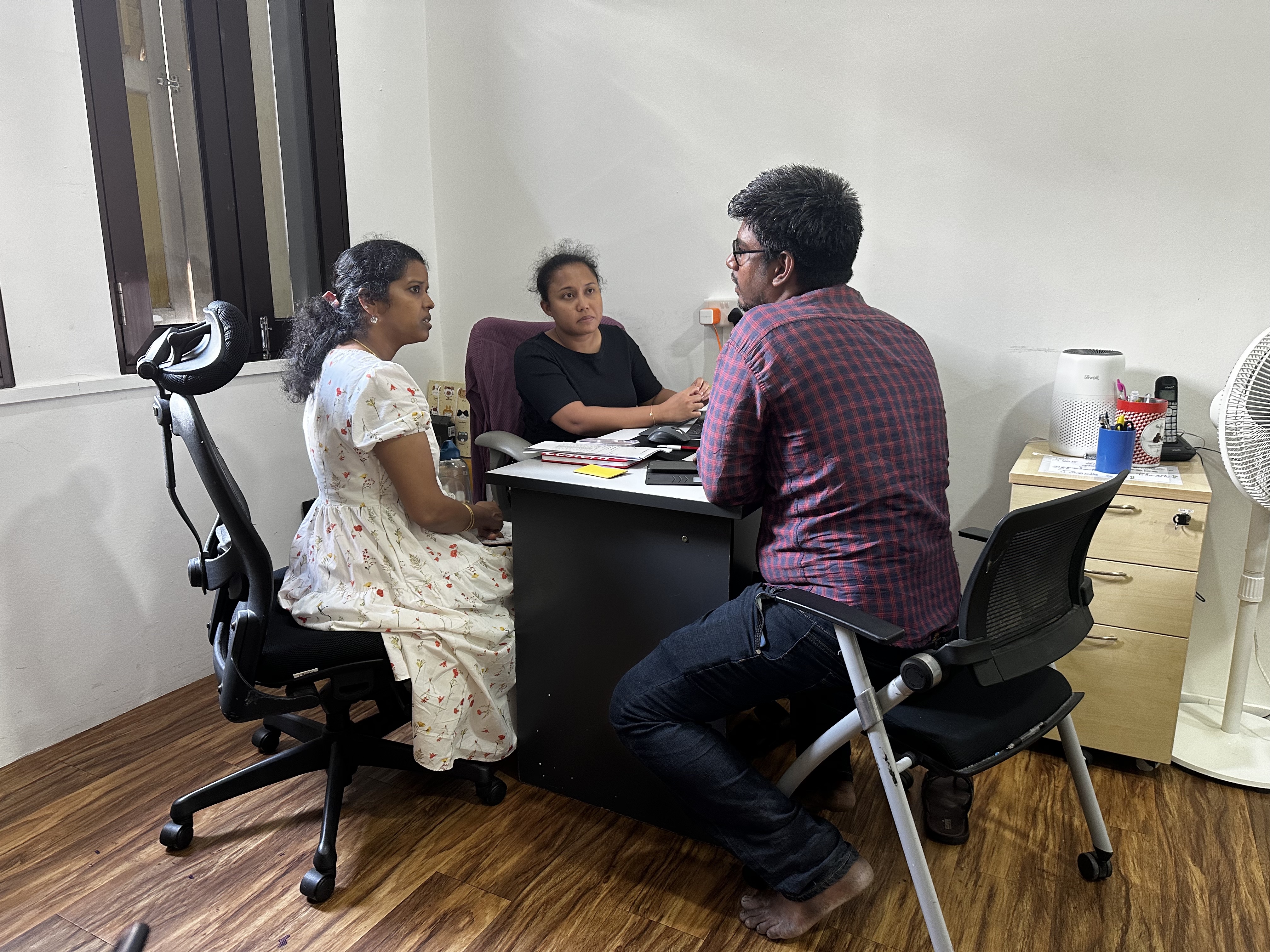
Stephanie: I would like to add another thought on our membership with GAATW. Another reason I was excited to speak with Maya and Bandana was because of the trafficking referrals we've filed and the deceptive recruitment cases we're seeing. Regionally and internationally, I wanted to understand how other groups operationalise forced labour and trafficking indicators on the ground, how they adapt them to match what they're seeing in their casework, and keeping them relevant. With adapting indicators, one concern for us is whether they still fit within the international framework and are considered rigorous enough. I'm curious how other groups, when they encounter specific forms of coercion and exploitation (that seem particular to a sector or new forms of recruitment) that may not map neatly into existing indicators, fit them into their assessment, and make a case that it constitutes forced labour or trafficking.
Vivian: Yeah, that's really interesting, actually, because it's a conversation we've been having for the last few years too, that the international definition of trafficking is sometimes quite narrow. Your example of deceptive means is at least recognised under the Palermo Protocol, but some forms of exploitation aren't captured in it given the current context, so it can be quite limiting. We're always looking at how to reform or broaden that definition to make it more protective for migrant workers, and for trafficking victims more broadly. It's a really interesting conversation, and I think our team can come up with some ideas that would be relevant to our members in the human trafficking and forced labour group.
Zack: This is all very interesting ! Thank you again so much for your time, Stephanie. It was a pleasure learning more about you and the work of HOME.